Click here to view this email in your browser. |
|
|
|
Welcome contact.firstname,
We’re proud to share a seriously jam-packed second edition of FRDC News: Wild Catch Edition, a quarterly e-newsletter that brings together stories highlighting the research, development and extension benefitting Australia’s fishers.
This newsletter series highlights Commercial Wild Catch-led projects, partnerships and perspectives that have previously featured in FRDC News. By combining them in one place, we aim to showcase the sector's research, development and extension so it can build and maintain profitable livelihoods, realise economic growth, create healthy fish stocks and environments, and ensure resilient supply chains. |
|
|
|
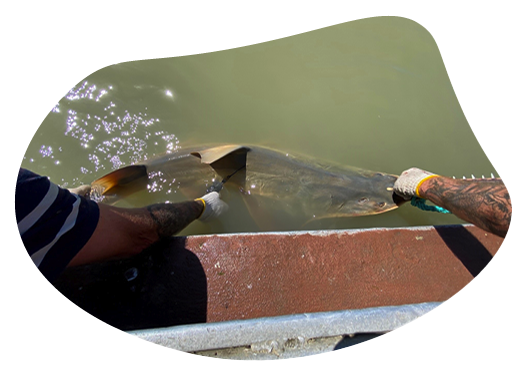
'Changing the game' from all sides to solve a prickly problem Scientists, fishers and industry leaders are banding together to close the knowledge gap on Australia’s sawfish populations. |
|
| |
|
|
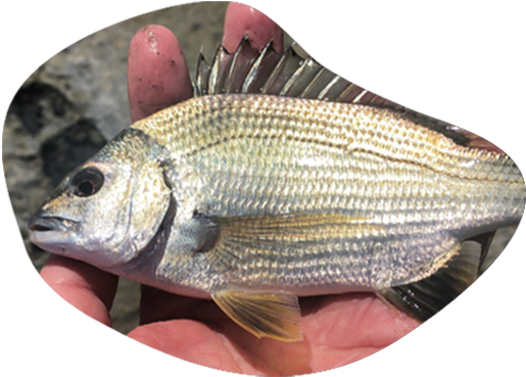
Mapping Black Bream movements to guide better fisheries management Black Bream are more localised than once thought with a new study deepening our understanding of their stock structure. |
|
| |
|
|
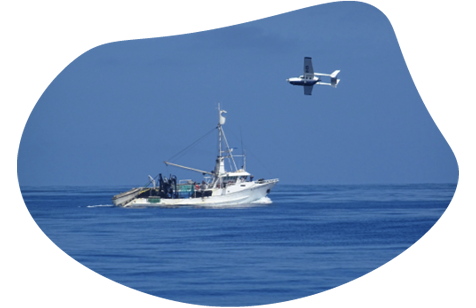
Searching for Tuna? Satellites to the rescue From space to sea, a trial on emerging satellite tools has revealed how the tuna sector could spot Southern Bluefin Tuna more accurately. |
|
| |
|
|
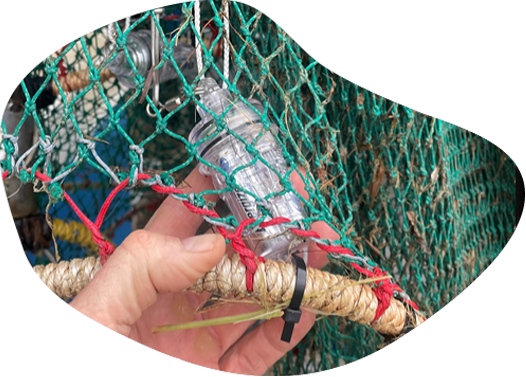
Lights, camera and they're gone: nifty LED lights hold the potential to significantly reduce bycatch What began as a voluntary, industry led pilot study to test the effectiveness of LED lights in reducing bycatch, is now turning heads with the “unique” method having major impact. |
|
| |
|
|
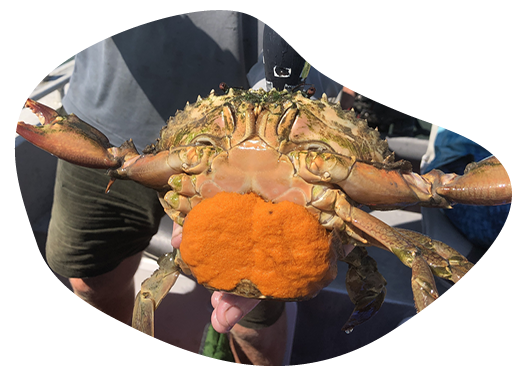
Claw-rrific: Giant Mud Crabs in safe hands Queensland's Giant Mud Crab (Scylla serrata) populations are healthy, thriving and sustainable according to research led by the Queensland Department of Primary Industries (QDPI).
|
|
| |
|
|
Changing fish tips the scales on stock models What happens when 30-year-old biology meets one of the world’s fastest warming oceans? New research is rewriting the rulebook for how we understand the nation’s south eastern fisheries. |
|
| |
|
|
Staying one step ahead of the heat A new marine heatwave outlook tool, providing up to four months advance warning of ocean temperature extremes, is now publicly available. |
|
| |
|
|
Seared Scallops with Garlic Butter |
|
|
|
Welcome to Recipe of the season: A short segment where we will bring you a fresh recipe from a state or territory every edition. This edition is Tasmania. Why not try these delicious Seared Scallops with Garlic Butter? Transfer scallops to a serving plate, garnish with fresh lemon wedges and an extra sprinkle of parsley if desired! |
|
| |
|
Welcome to spotlight, where FRDC is shining a light on some of the extraordinary people we have worked with through day and night. |
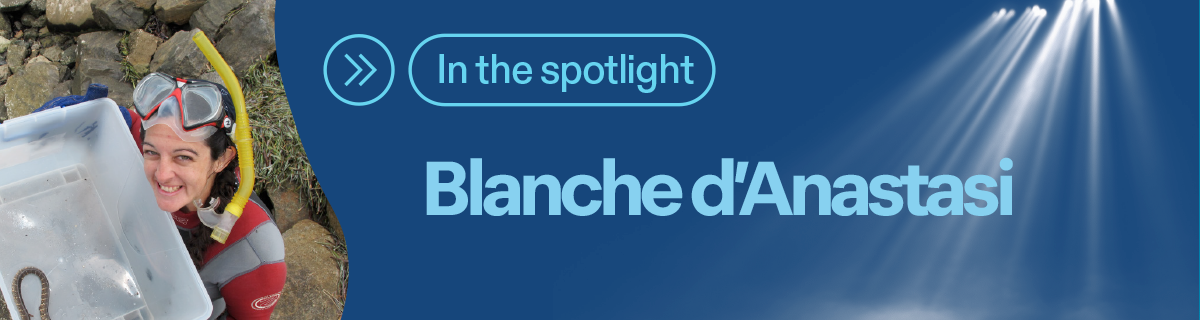
Meet Blanche d’Anastasi.
Blanche is a sea snake and sawfish specialist, with an environmental law and policy background. As part of FRDC project (2023-009), Blanche led the Crew Member Observer Program, which helped test the effectiveness of innovative Bycatch Reduction Devices (BRDs) in reducing the catch of sea snakes in Australia's north.
Data from the program showed that the Tom’s Fisheye BRD is effective in reducing sea snake catch, facilitating its future inclusion on the list of prescribed BRDs in the East Coast Trawl Fishery.
Blanche also delivered sea snake first aid and handling workshops to ensure crew safety and help improve the post-trawl survival of sea snakes. A film, to help share this information more widely, is in production. For Blanche, her passion for marine wildlife, stems from one of her earliest memories: being aboard shark control program boats as a child.
“It started my obsession for the sea and the creatures that live there,” Blanche says. Fast forward to today, Blanche works on marine wildlife conservation at a global scale with the International Union for Conservation of Nature (IUCN) as a Red List Assessor, monitoring the global population status of sawfish and sea snakes. |
|
|
|
From standout social posts to community celebrations, our recent moments have been making waves. Check out some of the highlights that captured attention and showcased the energy, talent, and spirit of FRDC and its community in action. |
|
|
|
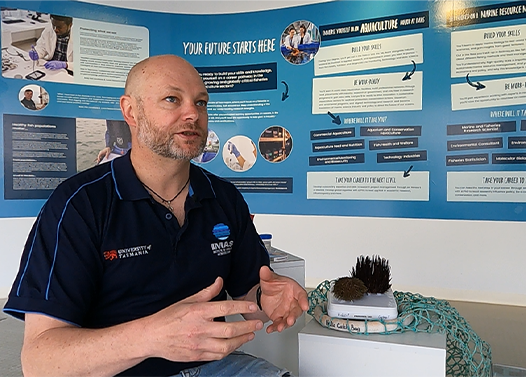
In this bite-sized clip, Institute for Marine and Antarctic Studies - IMAS’ Dr John Keane answers your prickly questions about Longspined and Shortspined Sea Urchins! |
|
| |
|
|
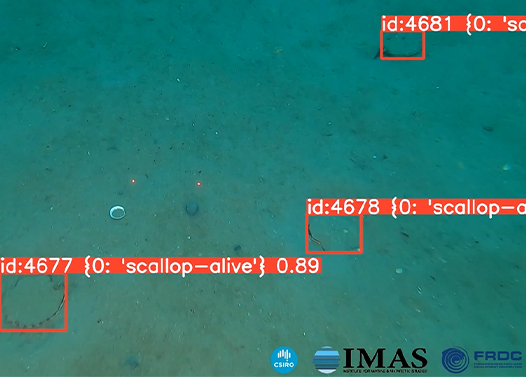
With support from FRDC, researchers at Institute for Marine and Antarctic Studies - IMAS have swapped dredges for GoPros and AI, turning hours of footage into fast, accurate insights. |
|
| |
|
|
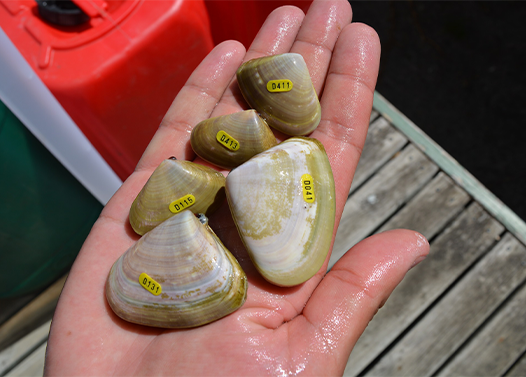
FRDC project 2018-056 saw researchers take to Victoria’s harbours and beaches to find out more about the state’s Pipi population. Turns out they’re related to South Australia’s Pipis! |
|
| |
|
| Final Report Summaries (1st October - 31st December) |
|
|
2020-002: Quantifying the exposure, protection and recovery of seafloor habitats in Spencer Gulf to prawn trawling |
|
|
|
Principal Investigator: Gretchen Grammer
This study assessed the impact of the Spencer Gulf Prawn Fishery (SGPF) on seafloor habitats and bycatch species in Spencer Gulf, South Australia. Using new underwater video surveys and historical data, researchers mapped the distribution of 12 biological habitats, 3 non-mobile taxa, and 84 mobile bycatch species, and quantified their overlap with trawl footprints and protected areas.
From 2001–2019, 58% of Spencer Gulf was trawled at varying intensities, but most trawling occurred before 2014. Five of nine identified biological assemblages had over 50% exposure to trawling, with rhodolith beds most exposed.
However, risk assessments showed that current trawl effort poses low risk to most habitats and species, with regional benthic status remaining high (0.95 on a scale where 1 is untrawled). Protected areas (legislated and voluntary) cover 27% of the Gulf, reducing exposure for sensitive habitats.
The study recommends continued monitoring, limiting trawl expansion into sensitive areas, and further research on depletion and recovery rates, especially for sharks, rays, and habitat-forming species. The findings support the sustainable management and MSC certification of the SGPF, providing a benchmark for future ecosystem-based management.
Read the final report |
|
|
|
2024-090: Capability and Capacity: 2025 Trans-Tasman Lobster Conference, Emerging Leaders - Southern Rock Lobster (development award) |
|
|
|
Bursary Attendees: Damian Cooper, Tim Harding, Emily Rowe, Jarred Feast, Justin Price, Kristy Lee Rainbird, Joshua Pippen
The Trans-Tasman Lobster Conference brought together emerging leaders, fishers, and industry stakeholders from Australia and New Zealand to discuss advocacy, sustainability and market challenges in the lobster sector. Eight nominated attendees gained valuable insights into geo-political issues, especially the impact of China’s trade policies, and learned about digital fisheries tools, traceability systems, and climate adaptation strategies. Networking events fostered collaboration, with participants sharing experiences and solutions to common challenges like spatial squeeze and market diversification.
Recipients reported significant growth in capability and confidence, with many taking on increased leadership roles and actively share learnings within their communities. Participants also experienced significant personal and professional development through exposure to new ideas, emerging industry trends and contemporary management practices. The project identified clear pathways for ongoing capacity building including participation in future conferences, maintaining peer networks, trialling digital tools, and developing branding initiatives to better showcase Tasmanian Rock Lobster. Overall, the project delivered lasting value by building a more connected, informed and future focused cohort of leaders, better equipped to drive resilience and innovation across the Southern Rock Lobster sector.
Read the final report |
|
|
|
2018-056: Understanding the demography and stock structure of Victorian Pipis |
|
|
|
Principal Investigator: John Morrongiello This comprehensive study assessed the population dynamics, genetic structure, and connectivity of Pipis along Victoria’s coastline, focusing on key fishing grounds at Discovery Bay and Venus Bay. Field surveys (2020–2023) measured biomass, size distribution, and recruitment, while genetic analyses and biophysical modelling mapped population connectivity.
Results revealed Discovery Bay maintains a stable, multi-cohort size structure, whereas Venus Bay shows signs of size truncation and biomass decline, likely due to fishing pressure. The size at which 50 % of Victorian Pipis mature is 35.61 mm, just above the current minimum legal size of 35 mm for the commercial fishery, raising concerns about growth overfishing. Genetic data indicated weak but significant structuring between western and eastern populations, with fine-scale patchiness at some sites. Biophysical models identified Discovery Bay as a key larval source, while Venus Bay relies on upstream recruitment.
Recommendations include revising minimum size limits, implementing seasonal closures, expanding monitoring, and protecting source populations. The study highlights the need for adaptive, spatially explicit management to ensure the long-term sustainability of Victoria’s Pipi fisheries.
Read the final report |
|
|
2024-026: Qualitative assessment of the potential impacts of marine seismic surveys on Victorian-managed fisheries of commercial and recreational importance |
|
|
|
Principal Investigator: Dr Paul McShane
This report provides a qualitative risk assessment of the potential impacts of marine seismic surveys (MSS) on Victorian commercial and recreational fisheries. Drawing on a literature review and spatial analysis, the study synthesises evidence of physiological, behavioural, and ecological responses of key fish and invertebrate species to seismic airgun noise.
Impacts were highly variable, but in general demersal teleosts (e.g., Tiger Flathead, Eastern School Whiting) and Southern Rock Lobster are most at risk, with evidence of reduced catch rates and physiological stress in some contexts. Impacts on other species, such as pelagic fish, cephalopods, and early life stages, remain uncertain but plausible, warranting a precautionary approach. The report highlights significant knowledge gaps, particularly regarding sublethal and cumulative effects, and calls for targeted research on vulnerable species and life stages.
Recommendations include integrating risk assessment into spatial planning, improving consultation between the oil/gas and fishing sectors, developing standardised monitoring protocols, and considering alternative, lower-impact survey technologies.
The study underscores the need for robust regulatory frameworks and proactive management to balance resource development with the long-term sustainability of fisheries and marine ecosystems. Read the final report |
|
|
2021-126 Review of Domestic Commercial Vessel Safety Legislation |
|
|
|
Principal Investigator: Neil MacDonald
This report presents a comprehensive qualitative assessment of the impacts of Australia’s domestic commercial vessel safety legislation on the seafood industry. Drawing on industry consultation, literature review, and stakeholder engagement, the study synthesises evidence on regulatory, operational, and economic outcomes for commercial fishing and aquaculture sectors.
Findings indicate that while the move to a single national system under the Australian Marine Safety Authority has improved consistency, significant challenges remain, including regulatory duplication, administrative burden, and inconsistencies across jurisdictions. Key risks identified include the impact of grandfathering (allowing an old rule or law to continue to apply in certain situations, even though a new rule pertains to current and future cases) provisions, cost recovery mechanisms, and the adequacy of marine surveyor accreditation.
The report highlights that smaller operators and older vessels are particularly vulnerable to regulatory changes and increased compliance costs. There are substantial knowledge gaps regarding the cumulative effects of overlapping regulations and the long-term sustainability of compliance frameworks.
Recommendations include adopting a risk-based, flexible regulatory approach, streamlining certification requirements, enhancing industry consultation, and developing targeted support for affected operators.
The study underscores the need for transparent cost structures, ongoing review of regulatory impacts, and proactive engagement between regulators and industry to ensure safety objectives are met without compromising the viability of Australia’s seafood sector. Read the final report |
|
|
2017-180: Design and Implementation of an Australian National Bycatch Report: Phase 1 – Scoping |
|
|
|
This scoping study evaluates the feasibility and requirements for a National Bycatch Report for Australian fisheries, analogous to the Status of Australian Fish Stocks (SAFS) reports. The report reviews international and domestic bycatch reporting obligations, including those under Convention on International Trade in Endangered Species (CITES), Regional fisheries management organisations (RFMO’s), and the Commonwealth Bycatch Policy, and surveys state and territory agencies on current practices, data availability, and reporting needs.
Findings reveal diverse legislative requirements, variable data quality, and differing definitions of bycatch across jurisdictions. While most agencies support standardised national reporting—especially for threatened, endangered, and protected species—concerns remain about increased workload and data compatibility.
The study recommends a risk-based, hierarchical approach, with separate sections for discards and protected species, and advocates for spatially explicit risk assessments to inform management. The report outlines a potential chapter structure, highlights the need for a coordinating agency (such as FRDC), and emphasises the importance of efficient, integrated reporting to meet both regulatory and public expectations.
Read the final report |
|
|
2017-026: Can spatial fishery-dependent data be used to determine stock status in a spatially structured fishery? |
Principal Investigator: Craig Mundy
This report investigates whether high-resolution, spatially explicit fishery-dependent data,—specifically GPS and depth logger data from Tasmania’s abalone fishery,—can improve stock status assessment in spatially structured fisheries.
Traditional catch-per-unit-effort (CPUE) measures, based on diver-reported time, are shown to be surprisingly accurate, but the study reveals that using area fished (from GPS data) as a measure of effort provides greater sensitivity to changes in stock and reduces the problem of “hyperstability”, where catch rates remain stable even as stocks decline. The research demonstrates that spatial performance measures, such as dive polygon area and spatial clustering, can capture fine-scale dynamics and fleet behavior, offering new insights into stock health and fishery productivity. However, incorporating spatial terms into standardisation models yields only marginal improvements in annual mean catch rates, suggesting that spatial data are most valuable for secondary indicators and understanding fleet dynamics.
The report recommends including Catch per Unit Area (CPUA) to be included as part of the catch rate analysis in the Tasmanian Fishery Assessment to limit the impact of hyperstability on catch rates , using empirically derived reef clusters for spatial structure; and monitoring the proportion of reef utilised annually as a secondary indicator..
These findings help to address the challenges of assessing sedentary, spatially structured stocks like abalone and providing a model for other fisheries with similar characteristics. Read the final report |
|
|
|
2022-104: Review and quantify the cumulative effects of expanding industrial coastal developments and emerging offshore renewable energy on the fishing industry in Western Australia
|
Principal Investigator: Melissa Haslam This report reviews the cumulative effects of expanding industrial coastal developments and offshore renewable energy—especially wind farms—on Western Australia’s commercial fishing industry.
As global demand for renewable energy grows, spatial competition for marine resources intensifies, raising concerns about displacement, operational costs, and ecosystem impacts. The study finds that while well-managed fisheries are resilient, the lack of integrated planning and baseline data can amplify risks to livelihoods and marine biodiversity. Opportunities exist in developing co-existence frameworks, standardising monitoring, and improving compensation mechanisms. The report calls for strategic partnerships, transparent stakeholder engagement, and adaptive policy to balance energy, food security, and conservation goals. Proactive investment in data, governance, and innovation will be critical for the fishing sector to adapt and thrive alongside emerging marine industries.
Read the final report |
|
|
|
2020-125: Investigating the use of a remote operated underwater vehicle (ROUV) for surveying abalone on reefs in the Western Zone abalone fishery, Victoria |
Principal Investigator: Travis Baulch
This study examines the use of remote operated underwater vehicles (ROUVs) as an alternative to diver-based surveys for abalone stocks in Victoria. Driven by the need for safer, more efficient, and broader-scale monitoring, the research compares ROUV and diver counts of abalone across diverse reef habitats. Findings reveal that while ROUVs offer operational advantages and access to deeper or hazardous areas, they currently underestimate abalone abundance in complex environments compared to divers.
The report identifies opportunities for ROUVs to supplement, rather than replace, traditional surveys—especially for rapid habitat assessment and disease surveillance. Key recommendations include improving ROUV maneuverability, refining video analysis, and integrating hybrid survey approaches. Continued investment in technology and training will help fisheries managers optimise monitoring, ensuring sustainable abalone management in challenging conditions.
Read the final report |
|
|
|
2021-002: Investing in our future: stock assessment and the next generation |
Principal Investigator: Cathy Dichmont
This report addresses the challenge of building and sustaining fisheries stock assessment capacity in Australia.
As the demand for robust, evidence-based management grows, the study identifies barriers to collaboration, skill development, and knowledge sharing among stock assessment scientists. Through network analysis, training courses, and a collaborative “stock assessment game,” the project highlights the need for greater connectivity among stock assessment practitioners, improved training, and better access to tools and resources.
The report recommends establishing a national stock assessment community of practice, developing targeted training programs, and fostering cross-jurisdictional collaboration to reduce reliance on a few key experts. Proactive investment in people, technology, and community-building will be critical to ensure Australia’s fisheries remain sustainable and resilient in a complex, evolving landscape.
Read the final report | |
|
|
2021-010: Wider investigation of the use of video survey techniques to determine commercial scallop abundance in inshore and offshore waters, closed areas and juvenile beds |
Principal Investigator: Ryan Day This report investigates advanced video survey techniques for assessing commercial scallop abundance in Tasmania and the Bass Strait. Responding to the limitations of traditional dredge surveys, the study develops and tests towed video, dredge-mounted, and drop camera systems, alongside machine learning for automated image analysis.
Results show that video surveys provide more comprehensive data on population structure, particularly for sub-legal scallops, and that machine learning can greatly reduce analysis time.
The report highlights the value of integrating video surveys into fishery management, recommends further development of drop camera methods, and calls for ongoing training in automated analysis. Investing in technology and data-driven decision-making will enhance sustainability and support adaptive management in scallop fisheries.
Read the final report |
|
|
|
2019-110: Best practice and policy in Australian abalone stock enhancement |
Principal Investigator: Lachlan Strain
This comprehensive review assesses best practices and policy frameworks for abalone stock enhancement across Australia. As interest in restocking and enhancement grows in response to stock declines and environmental pressures, the report synthesises lessons from past projects and identifies significant variability in capacity and policy among jurisdictions.
Key challenges include genetic management, biosecurity, and access rights, while opportunities lie in harmonising policies, stakeholder engagement, and adopting a national framework based on international best practice.
The report recommends clear objectives, robust governance, and adaptive management to facilitate sustainable enhancement programs. Strategic investment in science, policy, and collaboration will be essential for the long-term ecological and economic sustainability of Australia’s abalone fisheries.
Read the final report | |
|
|
Interested in our Wild Catch research projects? |
|
|
|
|