We begin this edition of FRDC News with the confirmation of Australia's first cases of H5 avian influenza. Many of our stakeholders work in coastal, remote or at sea environments, where they may encounter injured or sick animals. While we await further guidance, please remember: Avoid. Record. Report.
While this development will understandably be concerning for many, government agencies and industry have been preparing for this scenario for some time. I encourage you to access the latest information at birdflu.gov.au.
As I noted in my last message, the operating environment remains challenging on a number of fronts. However, there is cause for optimism as our sectors continue to adapt, innovate and deliver for the communities, supply chains and consumers who rely on and value safe, sustainable and high-quality Australian seafood.
A couple of weeks ago, I was joined by a number of fishing and aquaculture leaders at the second Ocean Business Leaders Summit in Cairns hosted by Ocean Decade Australia, where FRDC sponsored an important Roundtable session on the role of seafood in Australia's Food Security strategy for the future.
Australia has the third largest ocean estate in the world, an area that is larger than our land mass, and we have a long history of being at the forefront of sustainable and best practice fisheries and aquaculture management - this is something to celebrate. Furthermore, Australians consume over 350,000 tonnes of seafood each year, however over 60% of this is imported.
This is both a risk and an opportunity for the Australian seafood sector to capitalise on the love Australians have for seafood, and to foster greater support by the wider community for domestically produced seafood. From tomorrow, this will become a bit easier, when Country of Origin (CoOL) labelling for seafood in hospitality settings will give consumers clearer information about where their seafood comes from. This is an important step for transparency and for building stronger connections between diners, businesses and producers.
Next month, Seafood Directions will bring the sector together to share ideas and focus on practical opportunities for the future. I’m looking forward to the conversations it will spark and the partnerships it will strengthen.
There is a lot to be positive about, and by working together we can continue to build confidence in Australian seafood and support a resilient, innovative and sustainable sector.
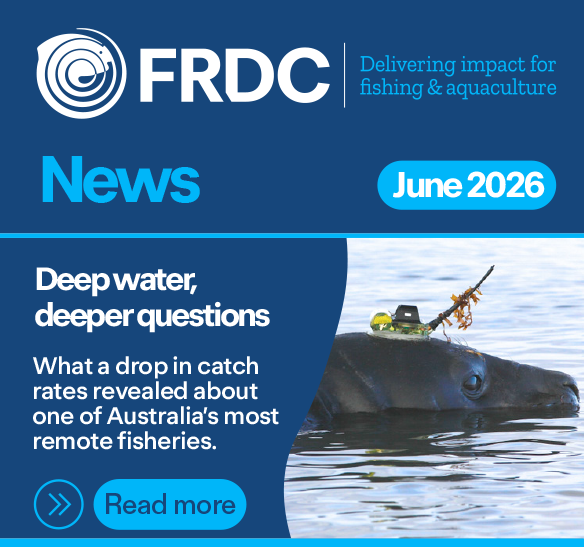
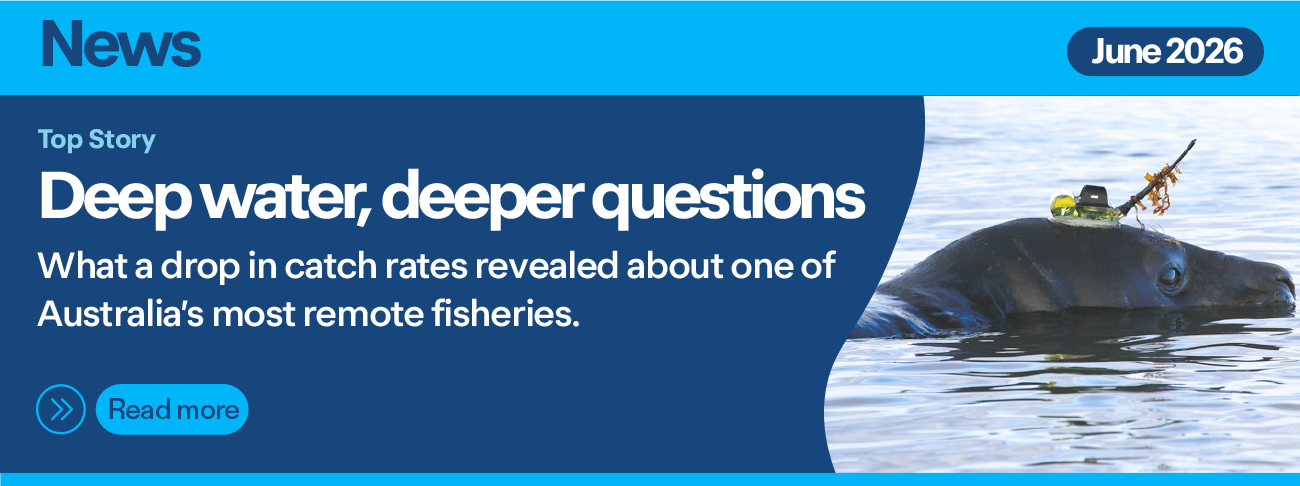
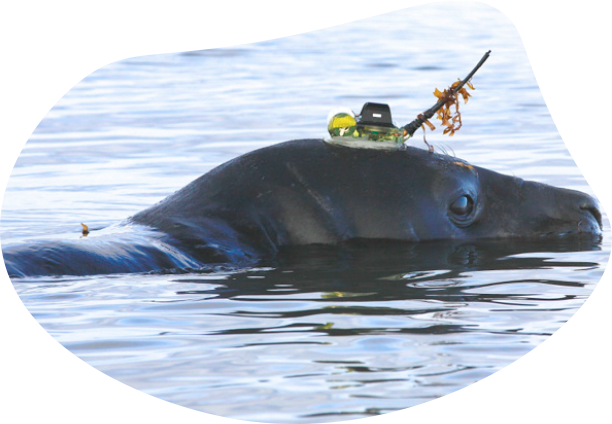
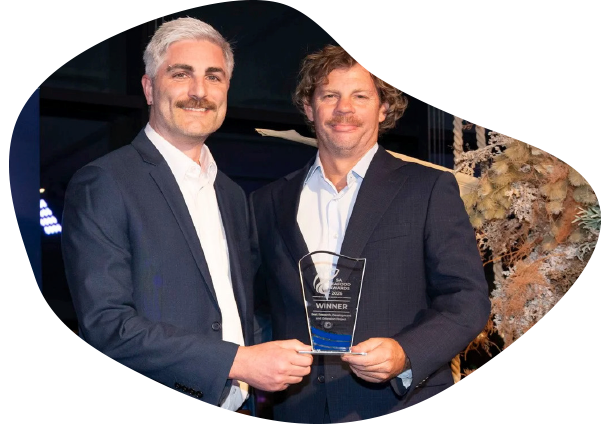
Please enjoy this month’s FRDC News, where we take a closer look at one of Australia’s most premium and remotely caught species, the Patagonian toothfish, celebrate our people at the Australian Seafood Awards, explore how genetics is informing freshwater fish research and examine how new evidence is shaping approaches to seismic testing in our oceans.
We also share new research offering insights for oyster farmers and highlight our latest Two4Life article showing why it’s never too late to increase your seafood intake.